Bella Vista & Redding, California
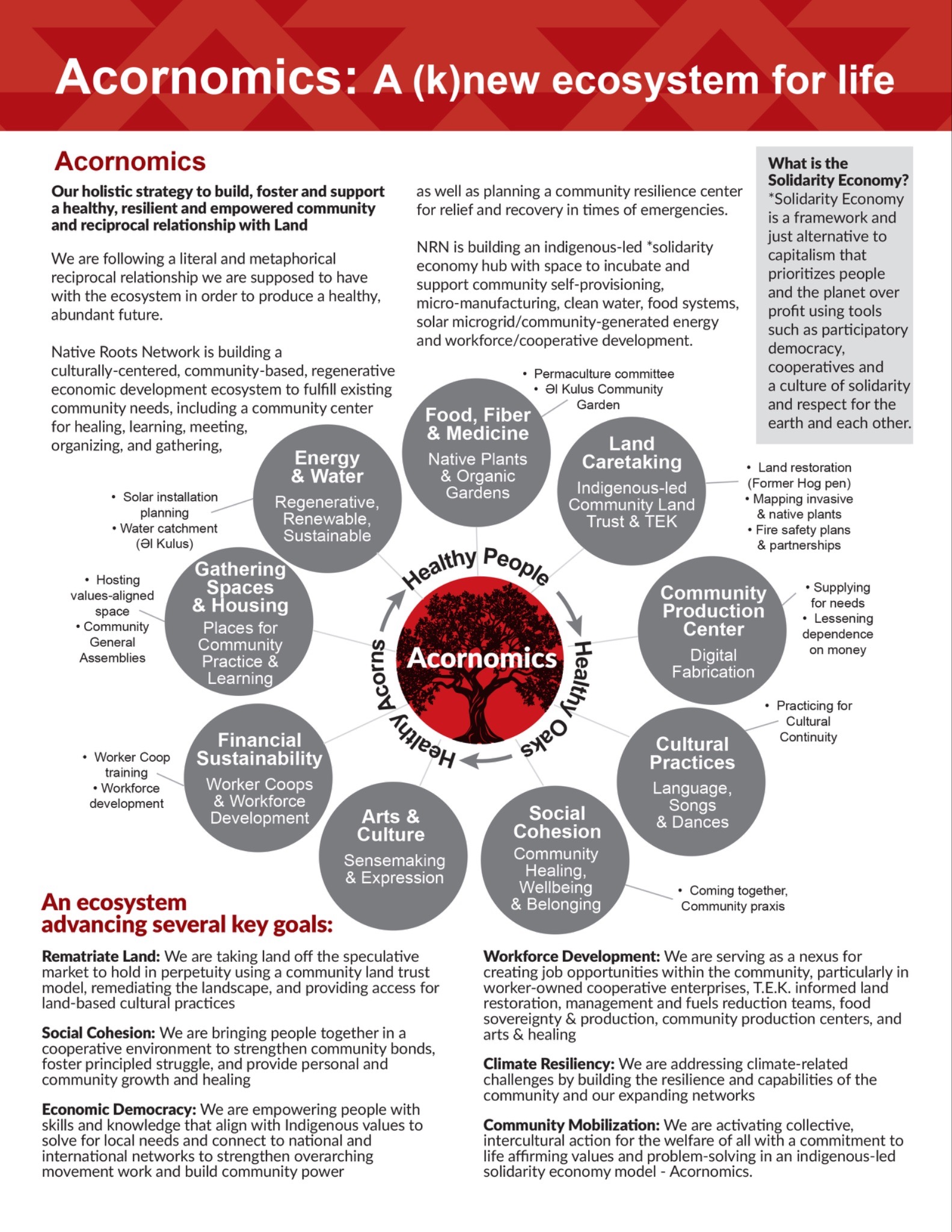
Recently, we traveled to Bella Vista and Redding, California to visit Native Roots Network, a community-rooted organization working at the intersection of land stewardship, cultural revitalization, food systems, housing, youth programming, and Indigenous futures in Northern California.
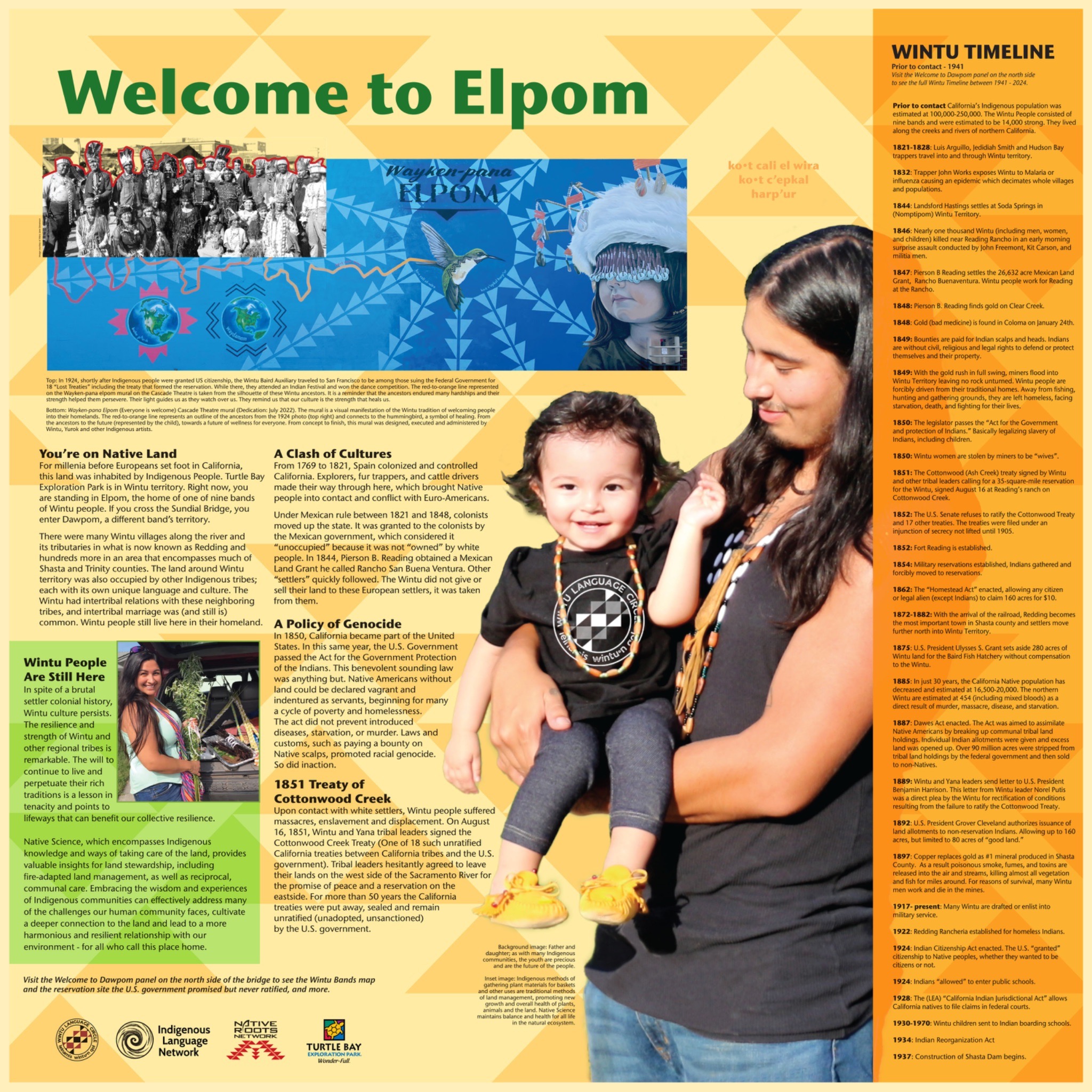
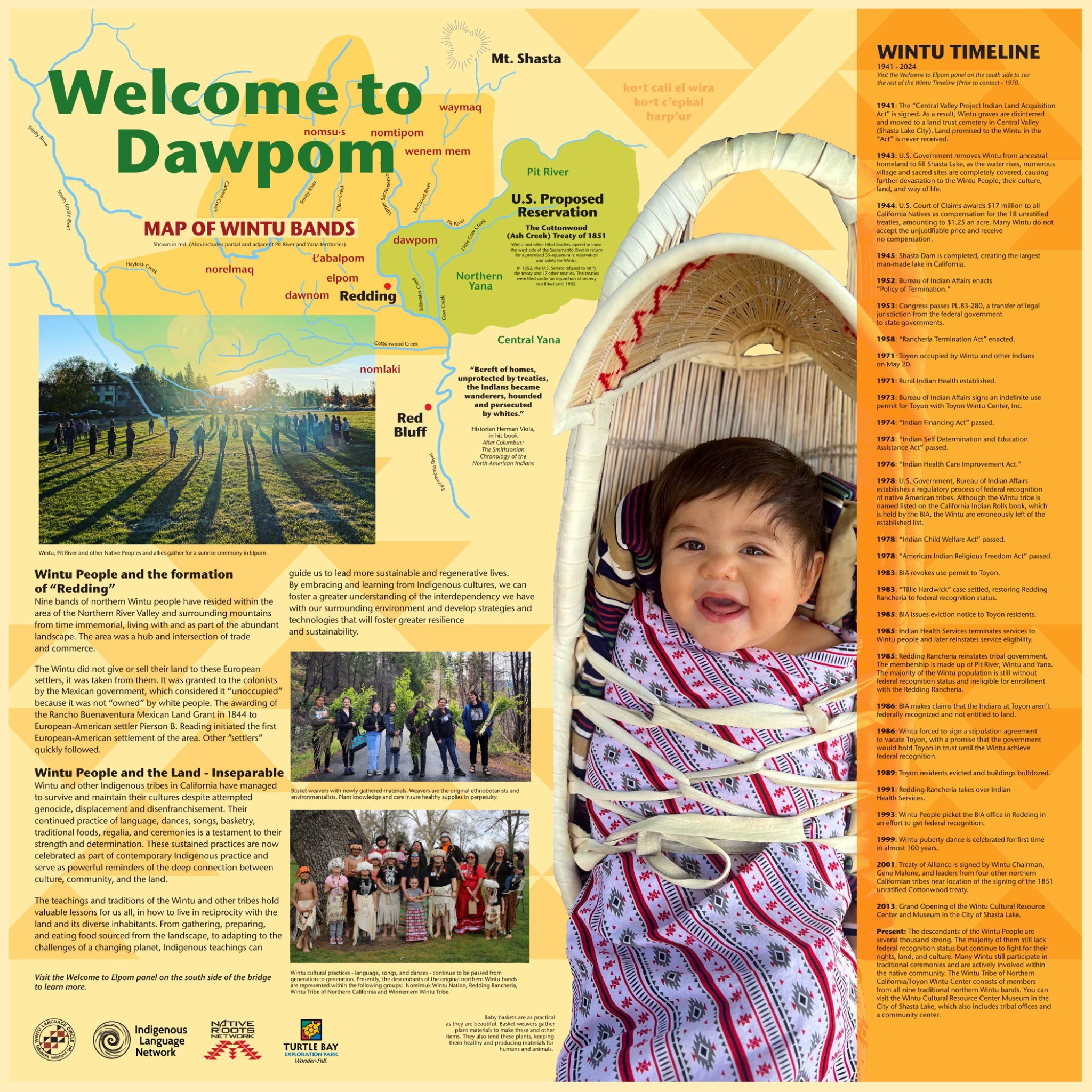
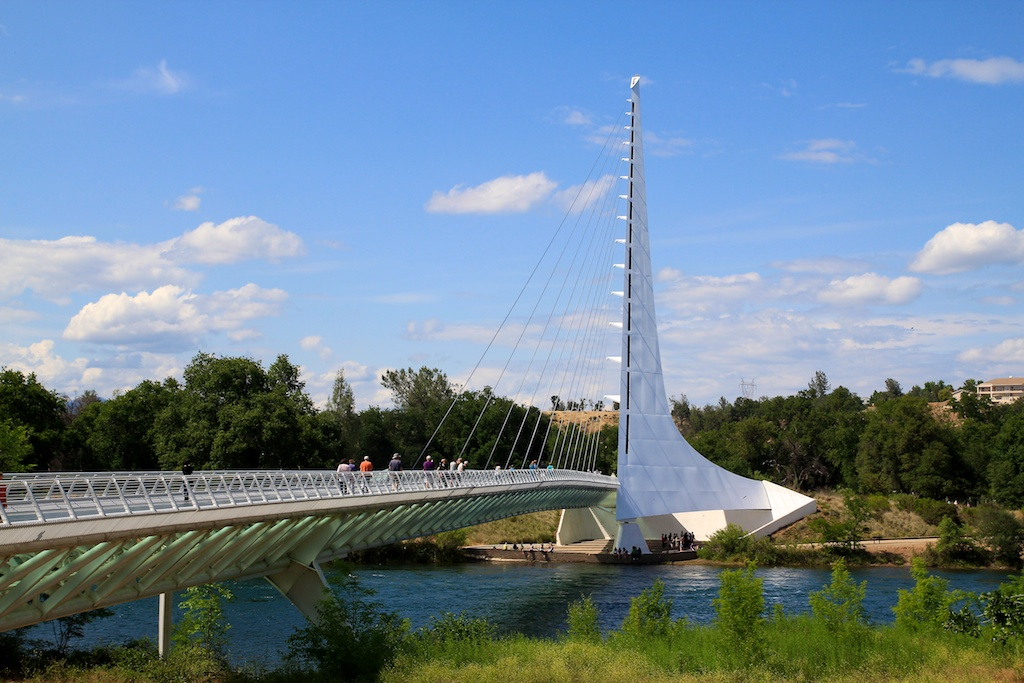
The visit began in downtown Redding at the Sundial Bridge, where public panels coordinated and designed by Native Roots Network in collaboration with Wintu Cultural Advisors, Wintu Language Circle, Indigenous Language Network and Turtle Bay share the history and ongoing presence of the Wintu people whose ancestral homelands encompass the area. The panels trace generations of displacement, broken treaties, and government actions that continue to shape the region today. The Wintu are not federally recognized, in part because the Cottonwood Creek treaty of 1851 with the United States was never ratified by Congress. Standing there offered an important grounding before heading deeper into the work Native Roots is building today.
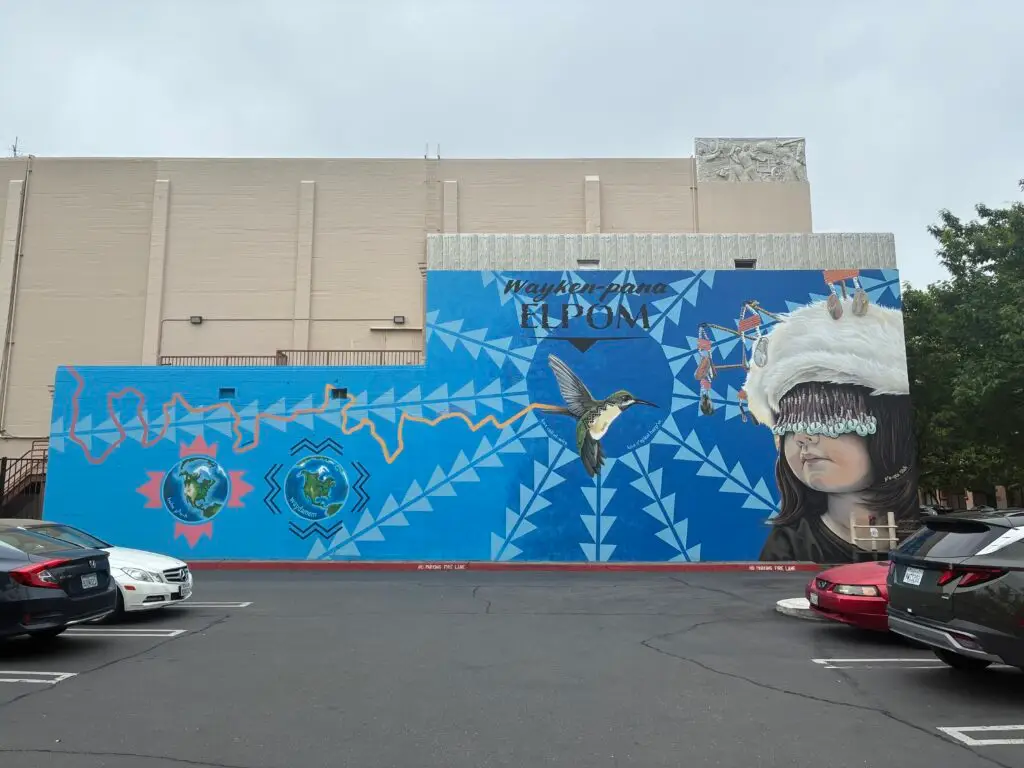
As we drove through Redding, Jonathon Freeman, Director of Strategy at Native Roots Network, shared more about the city’s changing landscape, including redevelopment efforts and so-called “revitalization” projects that have often failed to create truly affordable housing for local residents. We stopped at a striking mural conceptualised by Wintu artist Vanessa Scholfield and her mother, Wintu artist, basket weaver, Wintu language teacher and learner Michelle Radcliff-Garcia. Vanessa’s daughter and Michelle’s granddaughter appear in the artwork. The project was coordinated by Native Roots Network Executive Director, Miki’ala Catalfano, in collaboration with Wintu Culture bearers, who pulled together a team of California Native artists, including Yurok master muralist Carl Avery to complete the mural on the side of the historic Cascade Theatre, with Carl sharing his mural process and opportunity to help put paint on the wall to local Native artists. The mural stands as both a celebration of Native presence and a reminder of how much work it takes to carve out visible Indigenous space in a region shaped by powerful political and religious forces.
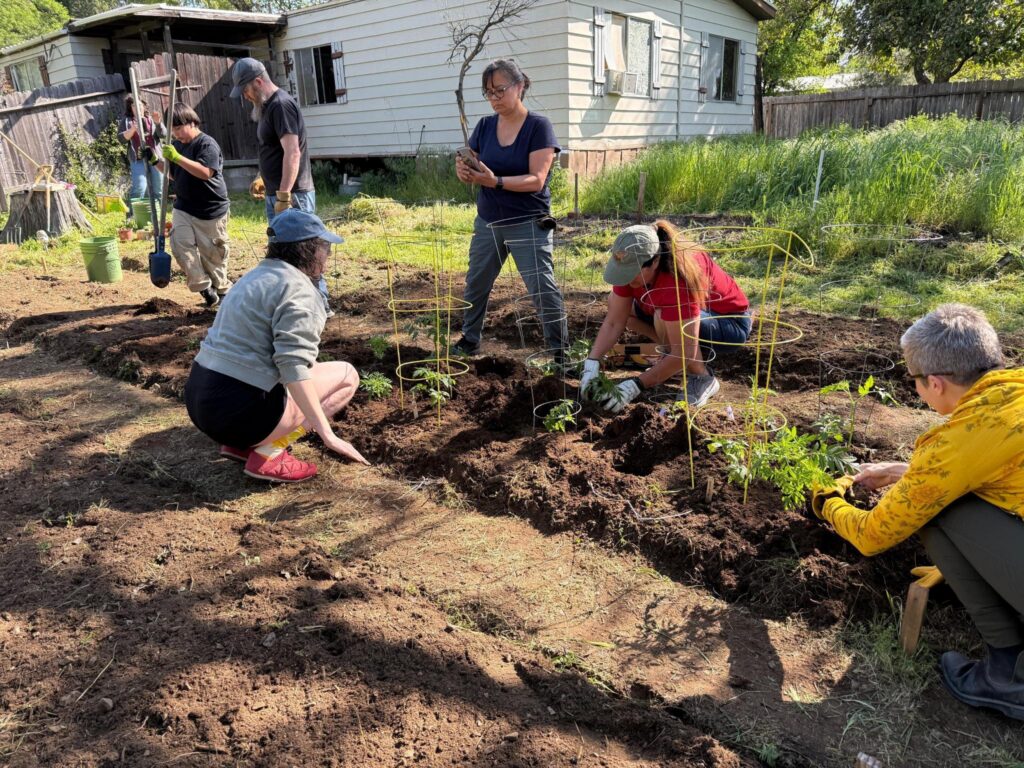
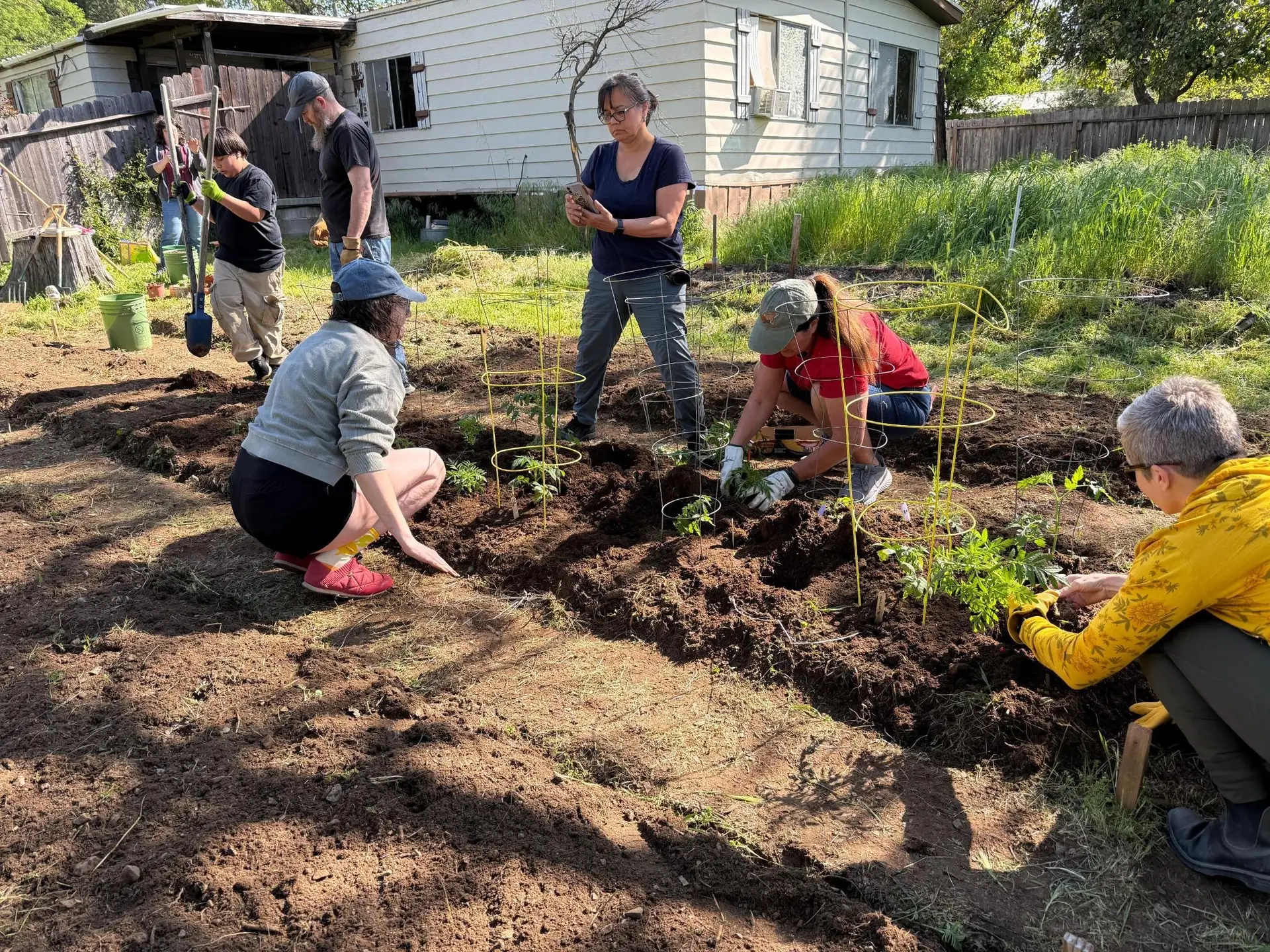
From there, we visited Əl Kulus, the first property Native Roots Network was able to purchase. The four-acre site currently serves as a community gardening space with fertile soil and plans for future solar infrastructure, cooling resources during extreme heat, and gathering spaces for the broader community. Located along a highway connecting multiple tribal communities, the land is envisioned as a community hub: a future coffee shop, farmer’s market, a place for people to stop, gather, learn, and access resources.
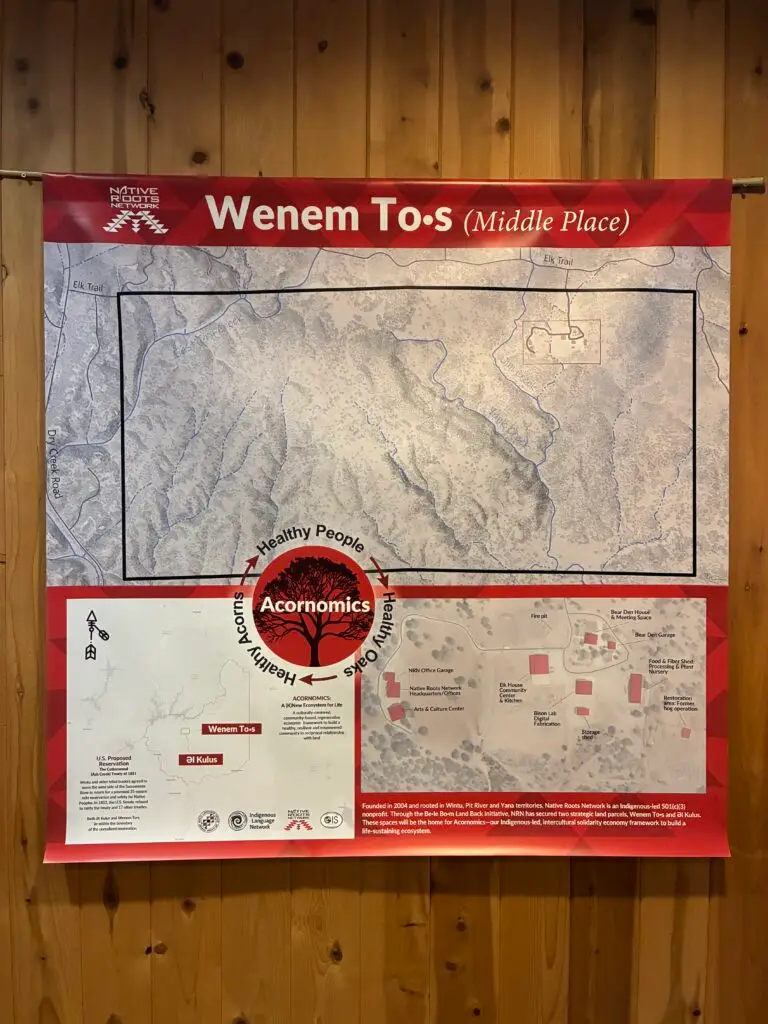
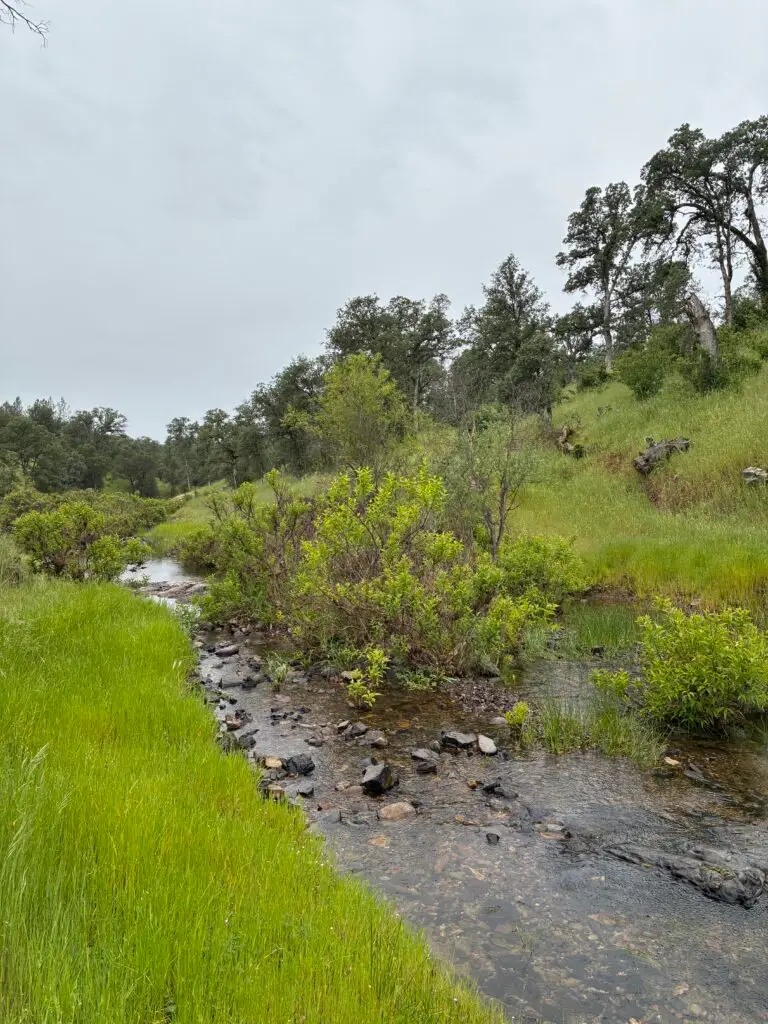
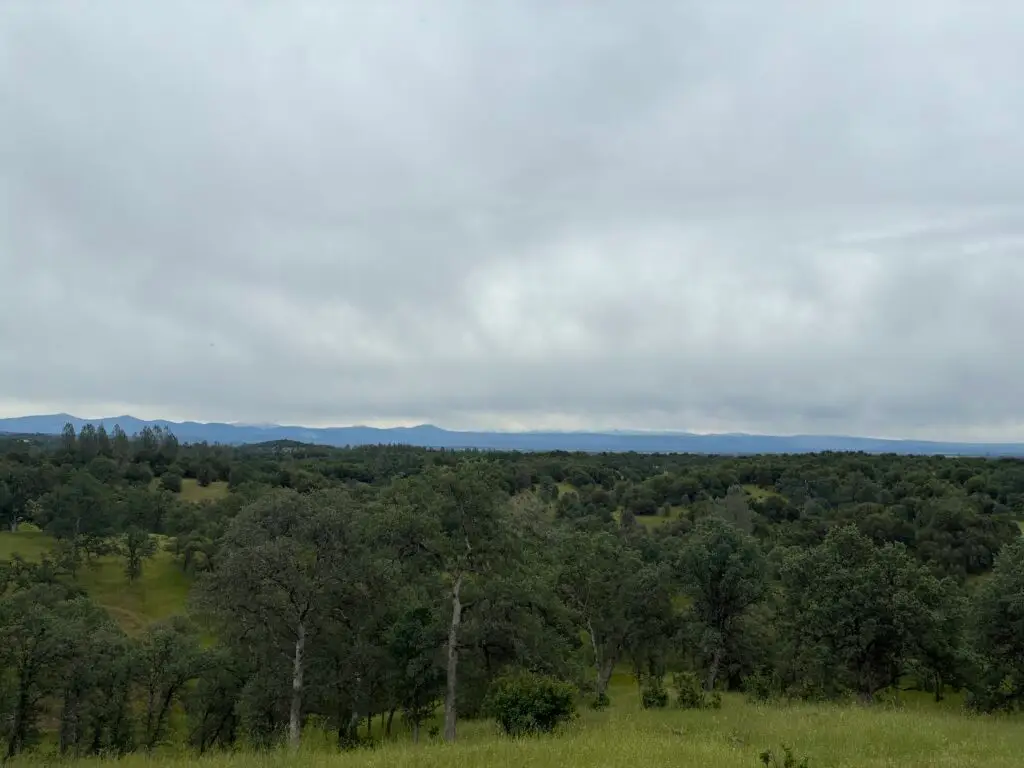
Later in the day, we traveled to Wenem To•s — “the Middle Place” in Wintu — a newly acquired property spanning more than 1,200 acres. The land was previously operated as a rehabilitation center and now includes gathering space, main office, commercial kitchens, workshops, sheds on open oak savannah and former grazing land. Native Roots Network took stewardship of the property at the end of 2024 and has already begun transforming it into a place for Indigenous-led land restoration, cultural education, food systems work, youth programming, and community hosting.

Driving through the property, team members pointed out ancient village sites identified through grinding stones, landscape patterns, and ecological knowledge passed through generations. Nearby are remnants of later settler homesteads, including ceramic shards, burned foundations, and traces left behind through California’s long history of land seizure and settlement. Holding both histories at once felt deeply present on the land.
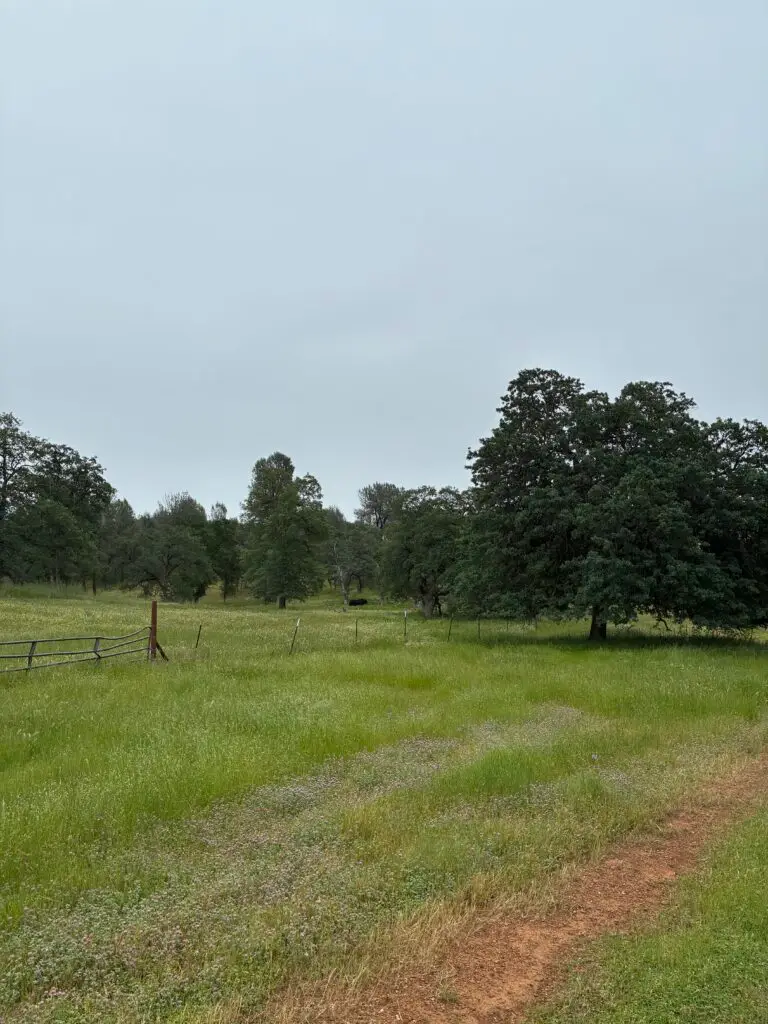
One of the most moving moments came while walking among oak trees near an original village site. Jonathan explained how some of the trees still carry evidence of traditional pruning techniques used to encourage larger acorn harvests — a practice rooted in long-term ecological stewardship and care. Acorns have long been a staple food for Wintu communities, and Native Roots Network is centering oak restoration and cultural food systems as part of its broader vision for land stewardship and community resilience. Even after generations of displacement, the land still remembers.
Over lunch, we gathered with members of the Native Roots team, including Executive Director Miki‘ala, Land and Facilities Manager, Leon, Director of Cultural Programs, Michelle RG, and Operations Manager Michelle W, and Traditional Ecological Knowledge Summer Crew Coordinator Angelica Garcia, to hear more about the organization’s vision for the future. Across every conversation was a shared commitment to creating spaces where Indigenous communities can reconnect with land, language, food, culture, and one another.
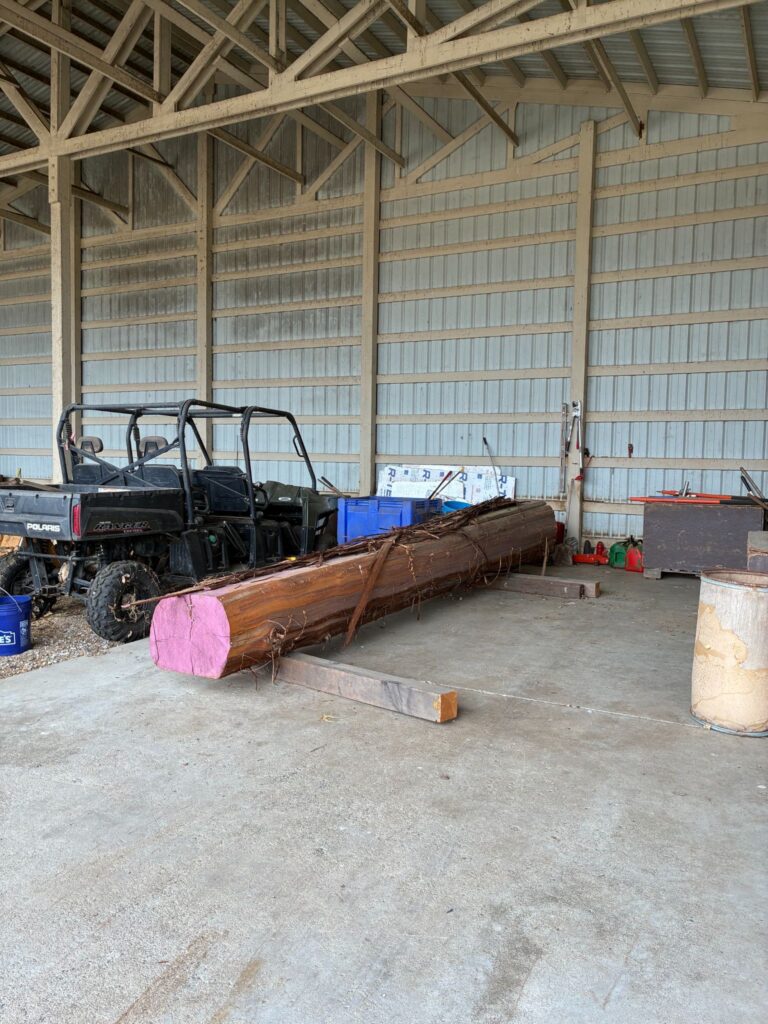
It rained throughout much of the visit, but the landscape felt alive. Everywhere we turned, there were signs of both deep history and emerging possibilities. Native gardens are being planted, land is being restored, canoes are under construction, youth and community arts programming is taking shape, and more than a thousand acres are being returned to community stewardship. Native Roots Network is building something expansive. They are not only reclaiming land, but creating the conditions for Indigenous futures to grow.