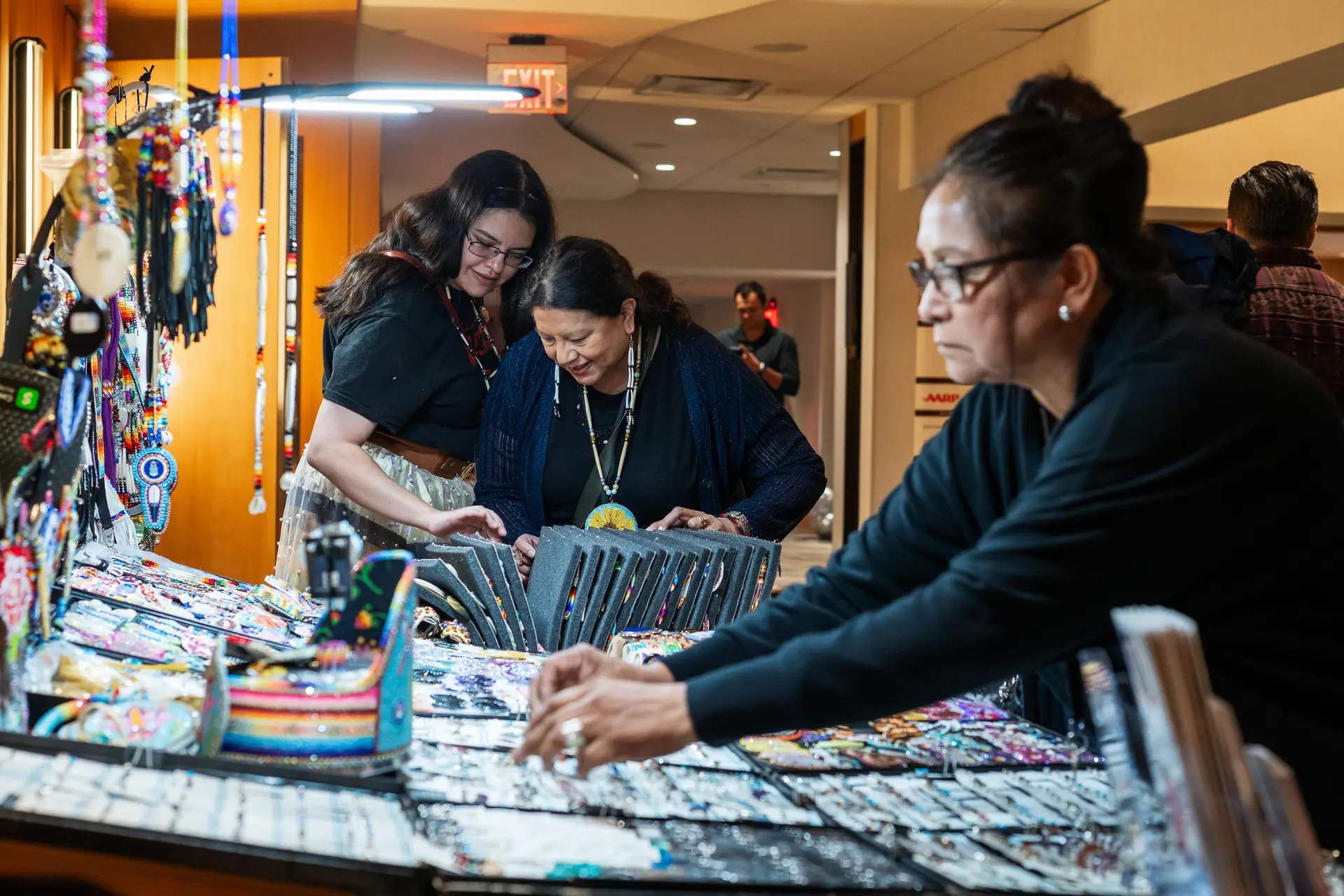
Last week, we traveled to Washington, D.C. to attend the annual gathering of the National Council of Urban Indian Health. We were there to receive the Native Health Rising Ally Award, and to spend time in community with the organizations doing this work every day.
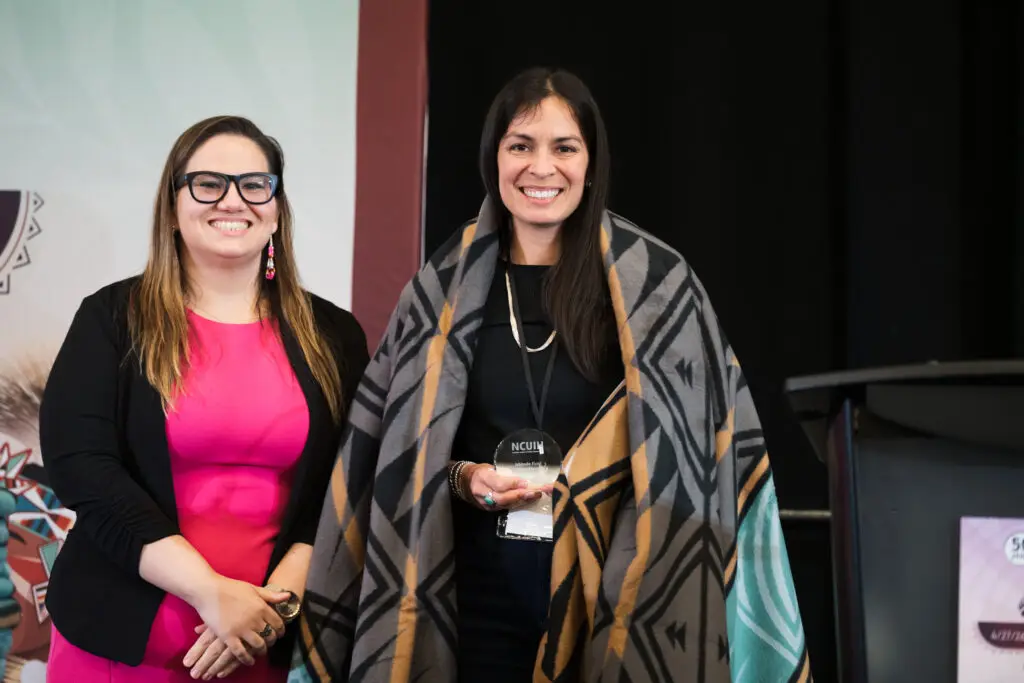
NCUIH is a vital organization working to uphold the health and well-being of urban Native communities across the U.S., Alaska, and Hawai‘i. According to data gathered in the 2021 census, approximately 70% of Natives live in urban and suburban areas, something that has long been overlooked. Much of that has shifted through NCUIH’s work and their partnerships with Urban Indian Organizations (UIOs), helping ensure urban Native communities are recognized in policy, funding, and advocacy.
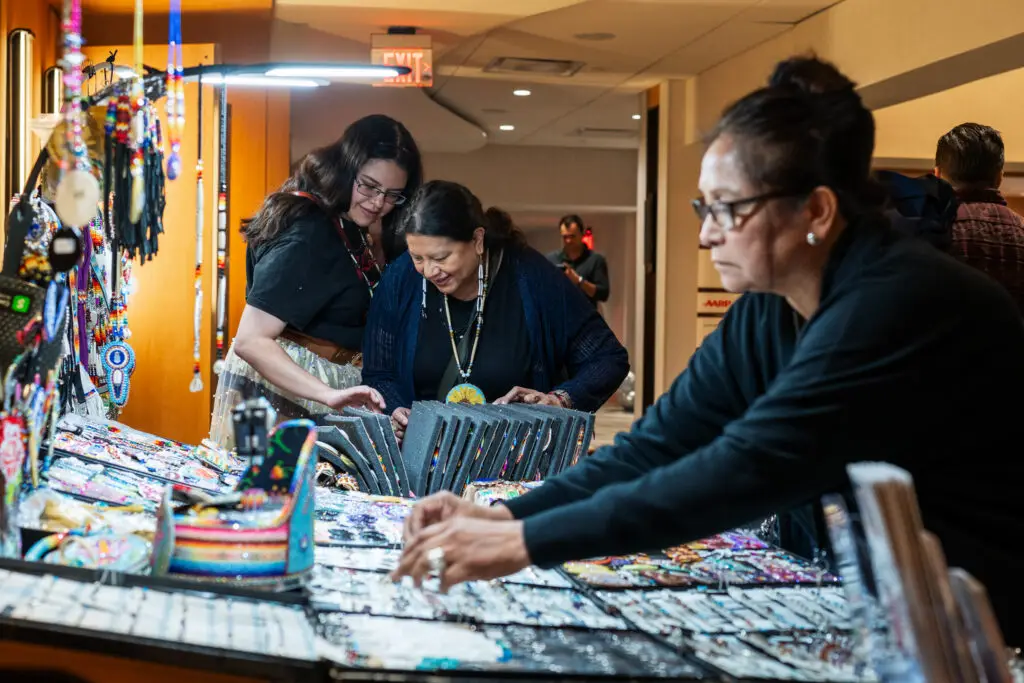
The gathering brings together UIOs from across the country—organizations providing a wide range of services, from healthcare and dental care to mental health support. Many are grounded in culturally relevant and appropriate care, navigating the realities of living in Western urban environments while staying connected to Indigenous ways of being.
There’s a strong focus on advocacy and policy. Each year, the gathering includes training to prepare representatives to go to Capitol Hill—to speak directly with lawmakers about the policies that impact urban Native health. That work spans everything from the Indian Health Service budget to education, housing, and federal health programs—all of which are deeply interconnected.
Alongside that, there are educational sessions focused on sharing skills, knowledge, and best practices, and highlighting the work happening on the ground.
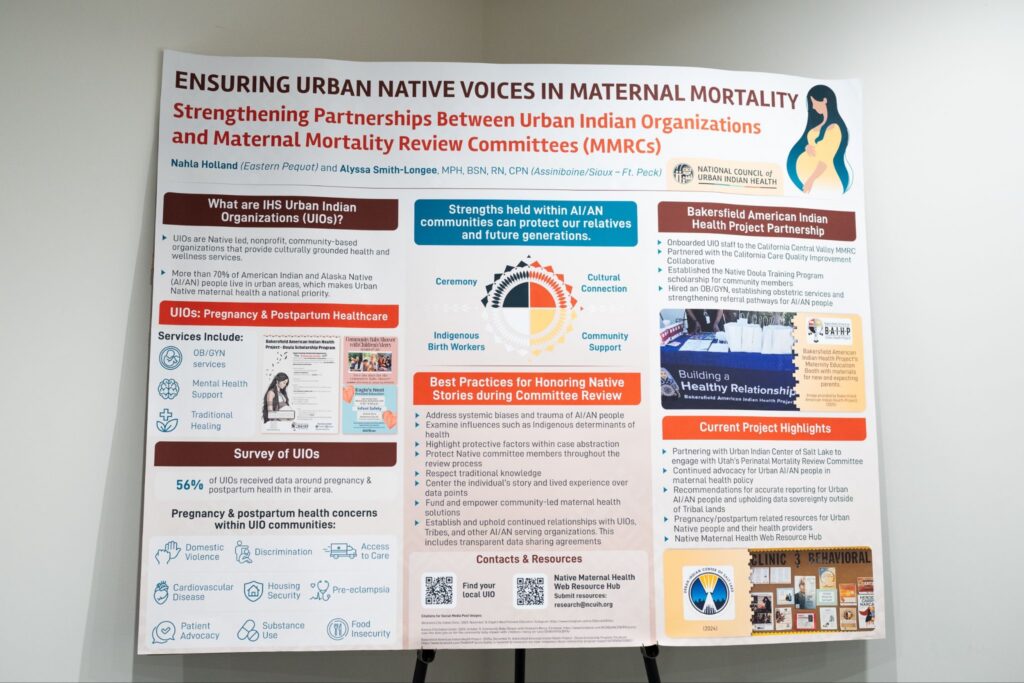
One session focused on blending traditional care into research and data collection—asking who is involved in developing studies, how partnerships are created, what they’re grounded in, and what happens to the data afterward. The emphasis was clear: Indigenous communities need to be involved from the very beginning, not just as participants, but as decision-makers guiding the work.
Another session looked at a menopause and perimenopause program being developed at an urban clinic in Salt Lake City. What stood out was how much the program shifted through input from cultural advisors. Questions like, Is there space for smudging? Can people bring traditional items with them? Can we change the colors to feel more calming? Can we bring in earth tones and elements of nature so the space doesn’t feel so sterile? These questions had a real impact on how the program was received and how effective they are.
There were also conversations about how organizations support their own people internally and how to create spaces where Indigenous staff can bring their full selves into the work.
One line that really stayed with us was this:
“We can care, but we can’t carry.”
We can care deeply about the work, but we can’t carry the full burden of it. We need to make sure people are cared for so they can continue doing the work of caring.
The sessions covered a wide range—from traditional birthwork and diabetes care to cancer prevention, mental health, and work addressing Missing and Murdered Indigenous Women.
Across all of it, there was a shared effort to integrate traditional knowledge into urban healthcare systems in ways that are meaningful and effective.
NCUIH plays a central role in holding this network together—bringing organizations into relationship, advocating for their needs, and helping move this work forward at a national level.
We were grateful to be there and to be part of it.