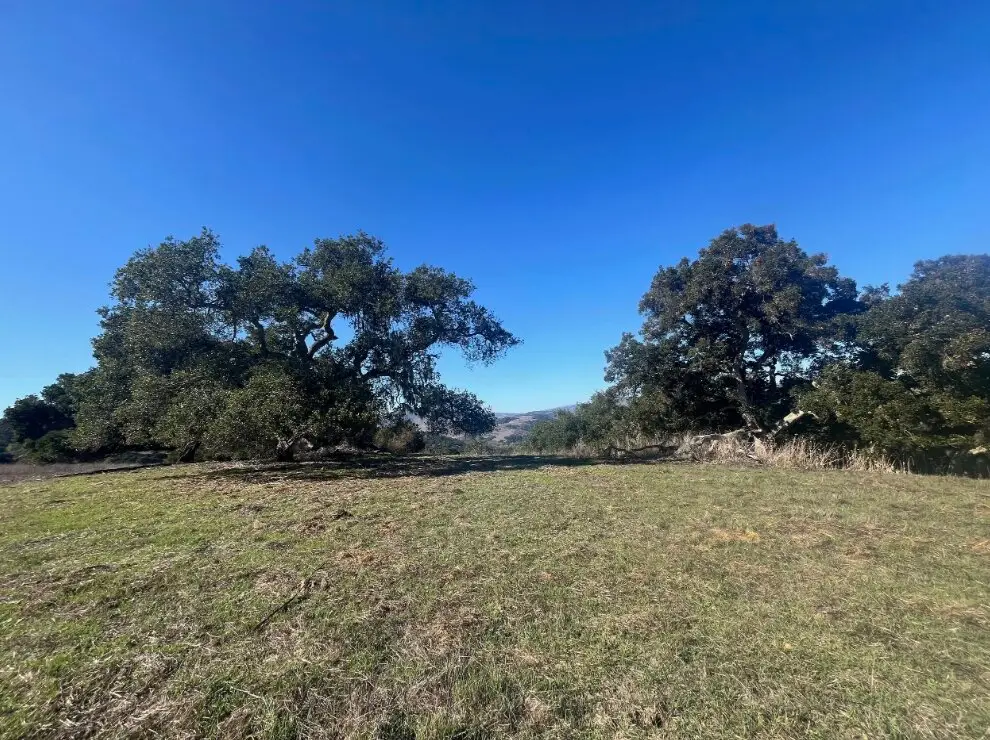
Santa Cruz, California
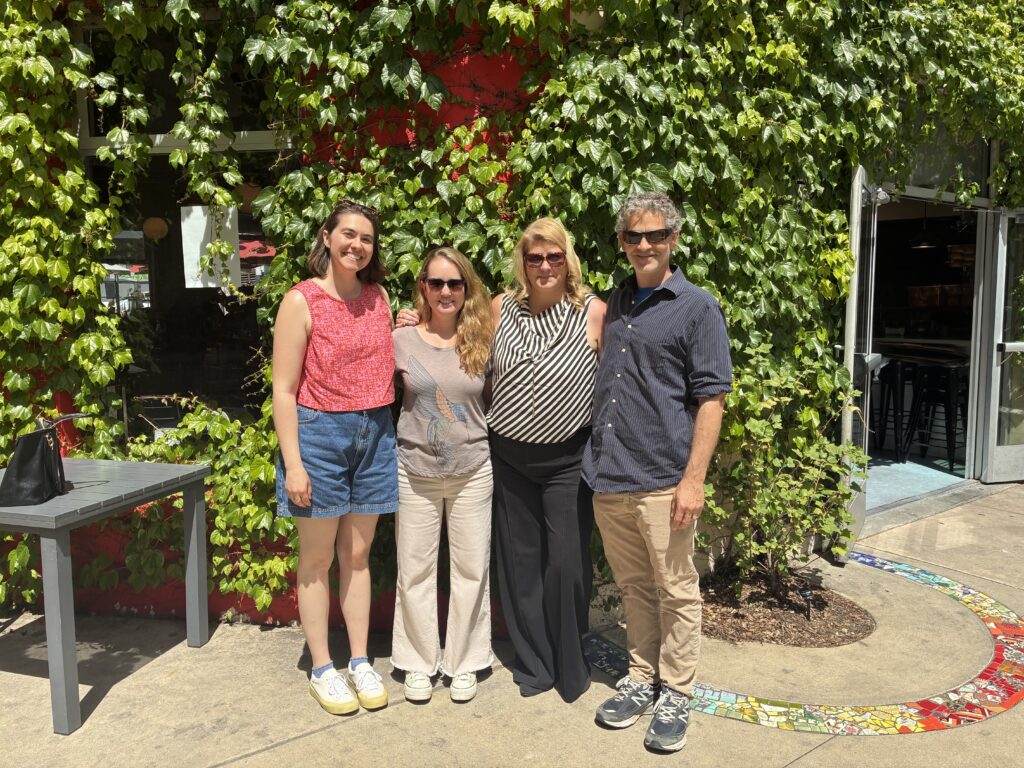
We met with the team at Amah Mutsun Land Trust (AMLT) in downtown Santa Cruz, including Executive Director Noelle Chambers, Grants Manager Jacob Sackin, and Director of Development Jodi Litz.
What We’re Learning on the Ground
We started the visit over lunch in Abbott Square, catching up and hearing how things have been evolving over the past year. What stood out immediately was the level of growth AMLT has experienced.
Over the past year, the organization has expanded its team significantly, bringing on new leadership and staff across development, operations, and finance. At the same time, they’ve relaunched the Native Stewardship Corps, which now include six Tribal members working full-time across programs in land stewardship, native plants, cultural resources, fire, and oceans.
There’s a clear sense that years of foundational work are beginning to take shape in more visible ways.
Work in Focus
Land return is at the center of this work.
AMLT has recently acquired its first property on behalf of the Amah Mutsun Tribal Band: a 50-acre site near San Juan Bautista—tooromakma hinse nii. This marks the first time in over 225 years that the Tribe has regained full access to land within its traditional territory following forced removal.
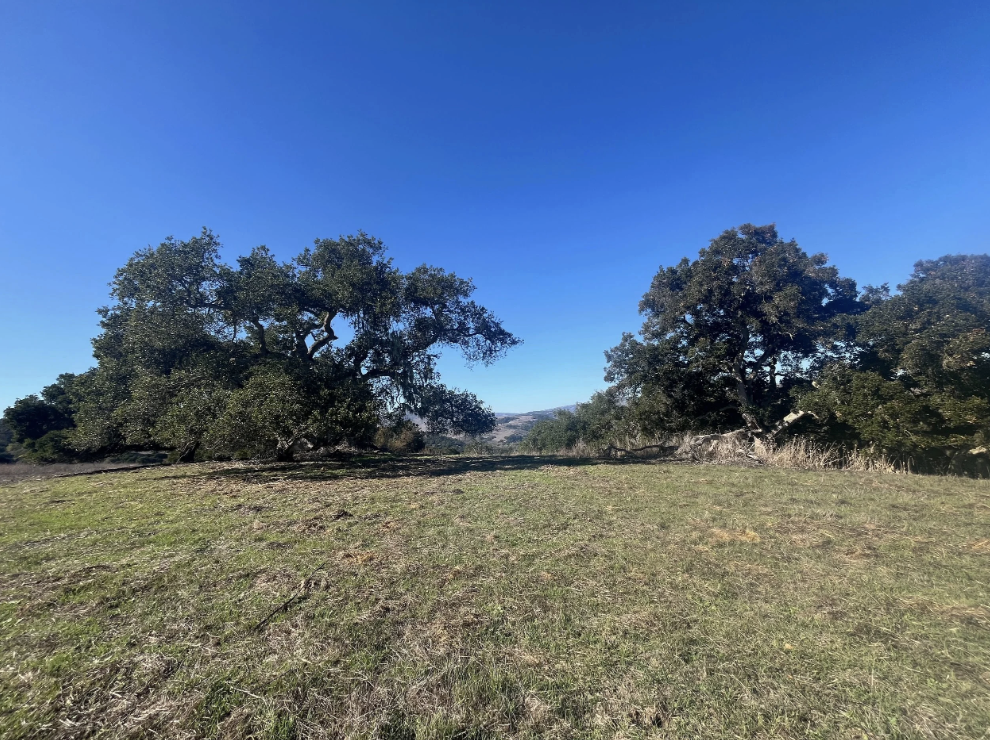
AMLT has also secured a $2.1 million land acquisition grant through California’s Sustainable Agricultural Lands Conservation program to acquire a second 30-acre property near Chitactac Adams County Park, a historically significant Mutsun village site near Gilroy known as “Place of the Dance.” The vision for this land is to sustainably utilize the entire property for culturally relevant agriculture, including the cultivation, propagation, and harvest of important native plants for the Tribe’s food, medicine, fiber, dyes, and other cultural benefits.
Community Connection
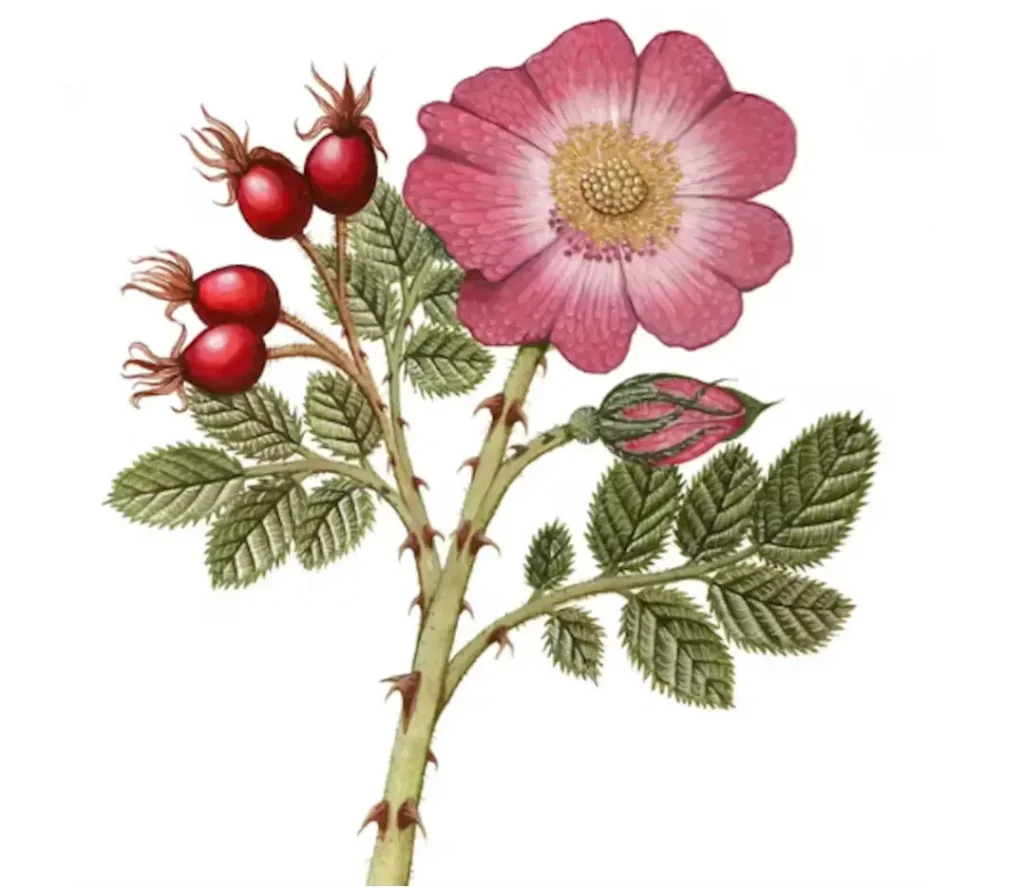
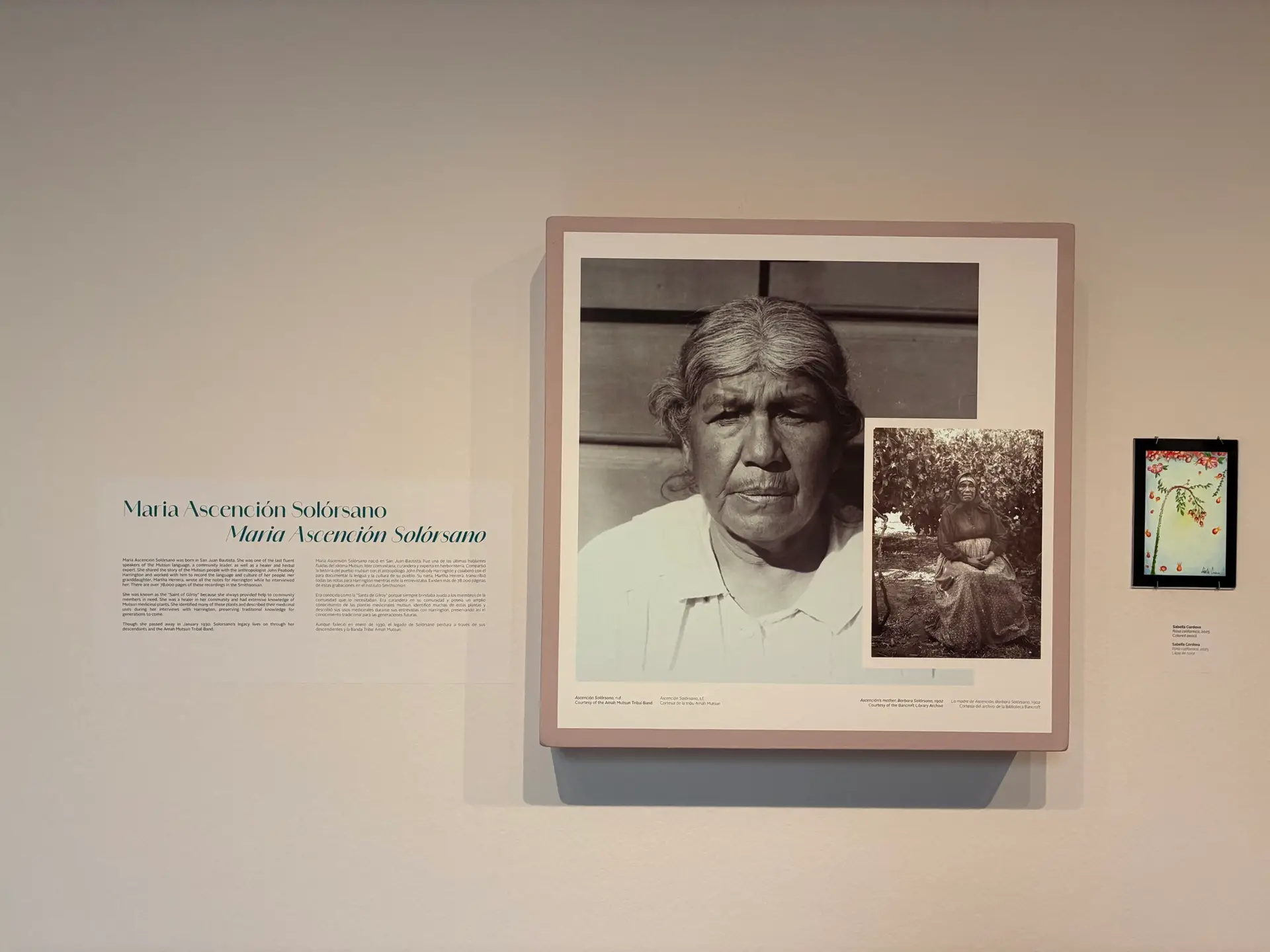
After our meeting, we visited the Santa Cruz Museum of Art and History, where an exhibition titled Honoring Our Relatives: Amah Mutsun Botanical Illustrations is on view.
The exhibition is a collaboration with the University of California, Santa Cruz, bringing together undergraduate students and an intergenerational cohort of Amah Mutsun Tribal members to create illustrations of traditional plants.
It also honors Maria Ascensión Solórzano, the last known fluent speaker of the Mutsun language, who passed away in 1930. Through her collaboration with anthropologist John Peabody Harrington, more than 78,000 pages of notes and recordings were preserved—materials that are now supporting ongoing language revitalization efforts within the community.
Why it Matters
This visit felt like a glimpse into a moment of momentum.
After years of building, AMLT is now seeing tangible results—land returned, programs relaunched, and capacity expanded. At the same time, their work remains deeply rooted in cultural continuity, from language revitalization to plant knowledge and stewardship practices.
They also shared a desire to build relationships with other Indigenous land trusts across the country, pointing toward a broader ecosystem of connection and collaboration.