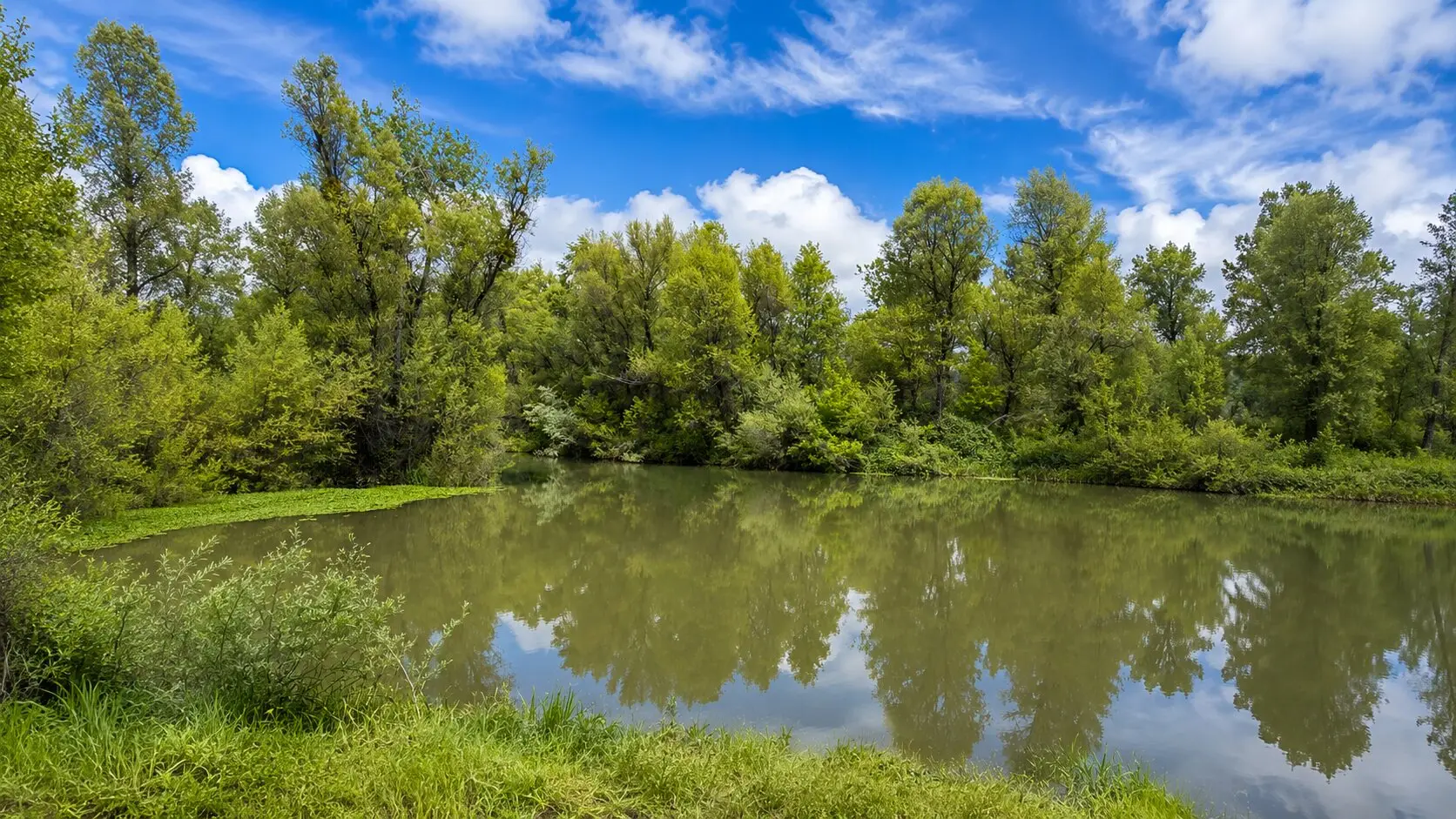

(Lake County, California)
This month, I had the opportunity to visit the Clear Lake region in Northern California and spend time with several tribal partners working to restore the health of the lake and surrounding ecosystems.
The visit connected me with organizations participating in a grant administered through Resources Legacy Fund, which supports Tribal communities and organizations living and working around Clear Lake. One of those partners is Robinson Rancheria of Pomo Indians of California, where I met with Luis Santana, a fisheries biologist who manages the Tribe’s environmental restoration efforts. Luis was one of the first people we connected with when we began learning about this work, so it was especially meaningful to finally meet in person.
I also spent time with the team at the Tribal EcoRestoration Alliance (TERA), whose EcoCultural Fire + Stewardship Center sits just across the highway from Robinson Rancheria’s Danoxa Fish and Wildlife Office, on the Traditional lands of Robinson Rancheria, Scotts Valley Band of Pomo Indians, and Habematolel Pomo of Upper Lake. Together, these organizations are leading important efforts to restore ecosystems that have sustained Indigenous communities in the region for generations.
Much of the work focuses on the Clear Lake hitch, a fish species found only in the Clear Lake watershed, as well as broader ecological restoration throughout the region. Clear Lake is the largest natural freshwater lake entirely within California. While the lake appeared beautiful and clear during my visit, Luis explained that seasonal harmful algal blooms will soon emerge, a challenge linked to decades of environmental degradation, including the legacy of mercury mining in the area.
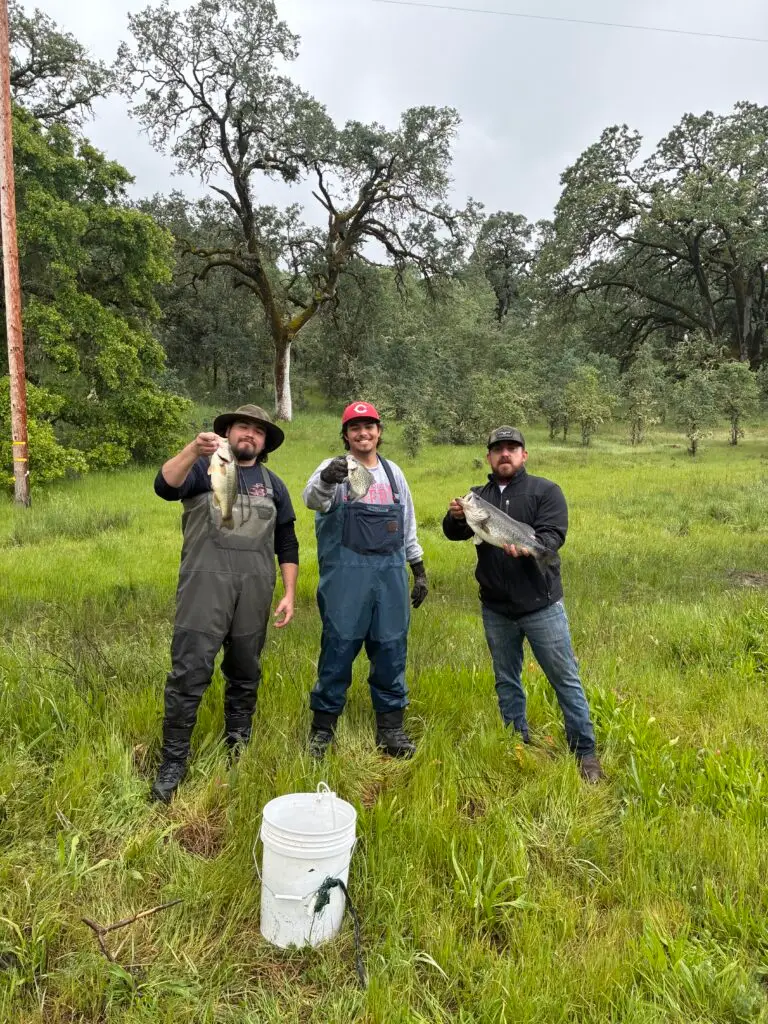
One of the most fascinating aspects of the visit was learning about the role of cultural burning. Across the region, tribal communities are working to restore Indigenous fire stewardship practices that support both ecosystem health and cultural continuity.
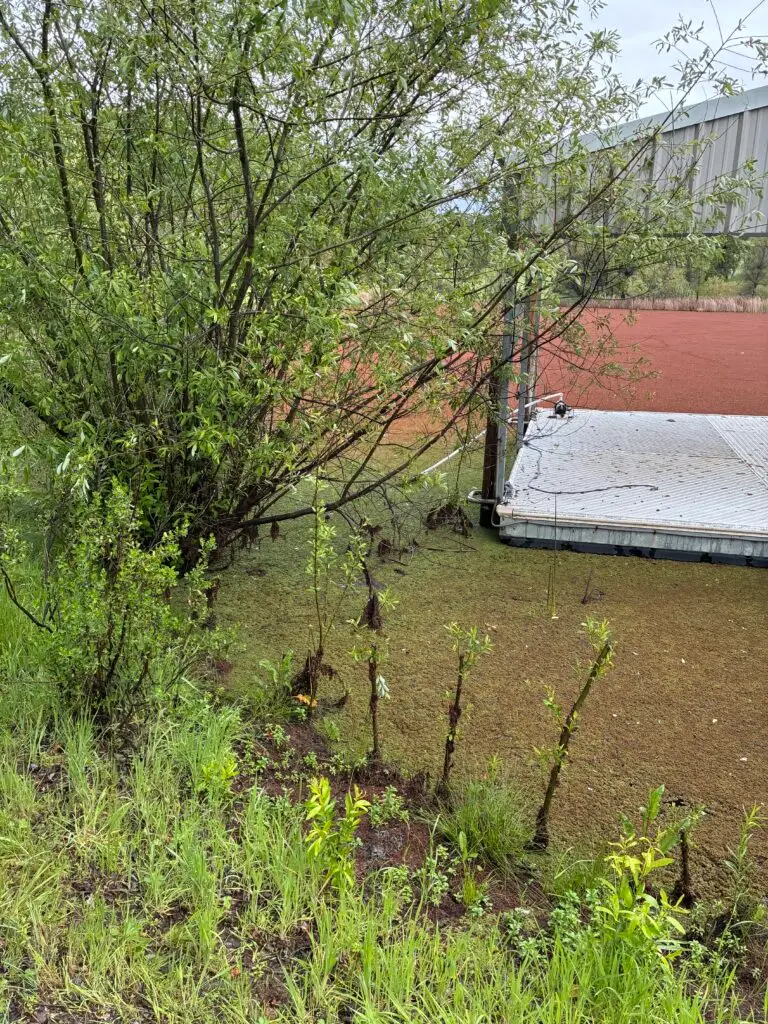
At TERA’s EcoCultural Fire + Stewardship Center, I visited a pond that had been part of a cultural burn that TERA conducted last fall. These burns help maintain healthy oak woodlands, which can produce more acorns following fire. They also support tule habitats along the lake’s shoreline. Tules hold deep cultural significance for Indigenous peoples in the region and played an important role during the Bloody Island Massacre, when some Pomo people survived by hiding in the lake and breathing through the hollow stems.
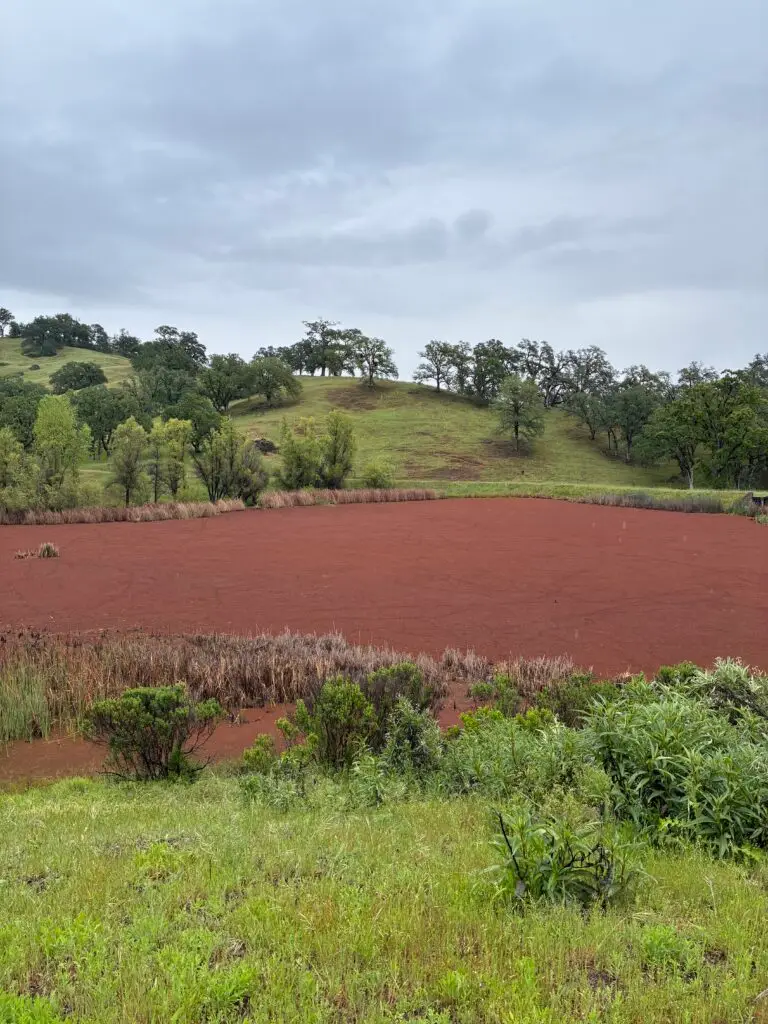
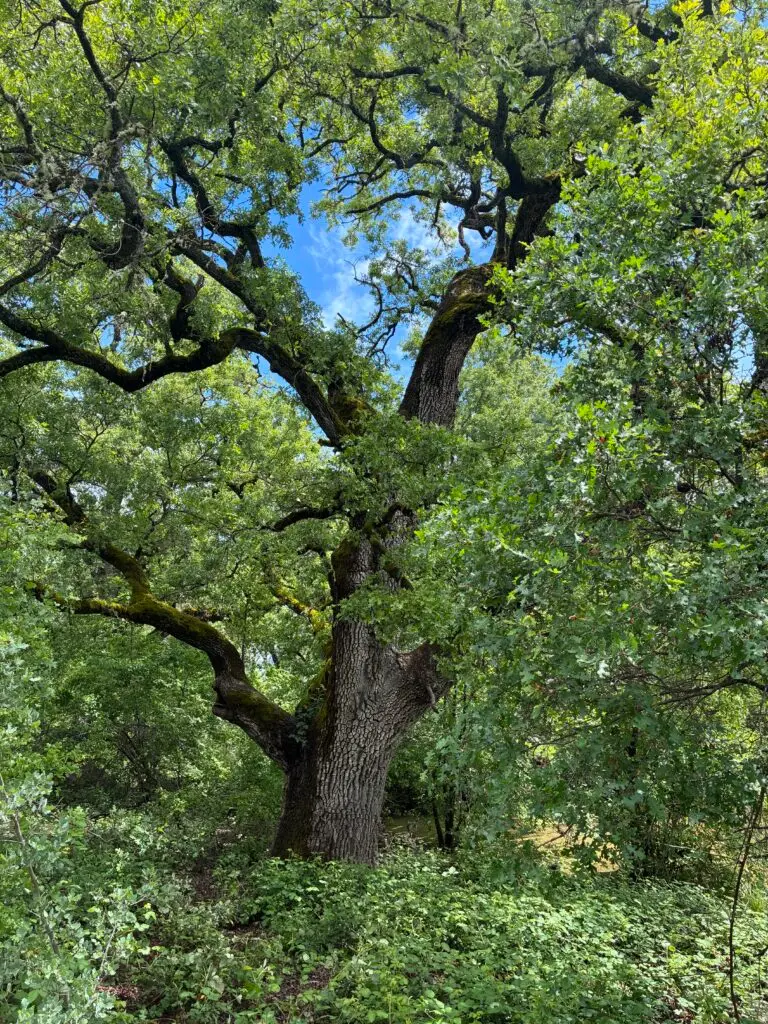
Healthy tule habitat is also important for the Clear Lake hitch. Cultural burning helps remove accumulated dead vegetation that can degrade these ecosystems, creating conditions that better support both plant and fish communities.
At TERA’s EcoCultural Fire + Stewardship Center, I also learned about willow restoration efforts underway at the burn site. Sticks planted throughout the area were actually cuttings from willow branches. I even had the opportunity to help plant one myself. The team explained that willow roots quickly and deeply, making it an effective way to stabilize shorelines and restore habitat.
Later, we visited land stewarded by Robinson Rancheria, where we helped burn a large brush pile. Throughout the region, tribal crews are working through hundreds of similar piles created during fuel reduction projects. By removing excess vegetation through controlled burning, they are reducing wildfire risk before California’s dry season arrives.

The landscape was strikingly green during my visit, but everyone I spoke with was acutely aware of how quickly conditions will change. Creeks that are flowing now will soon begin to dry. As spring gives way to summer, attention will shift toward preparing for the next season of cultural burns planned for the fall.
What stayed with me most was the interconnected nature of the work. Restoring habitat for hitch, supporting tule and willow communities, reducing wildfire risk, strengthening cultural practices, and caring for the land are not separate efforts. They are all part of the same story. One of relationship, responsibility, and the long work of restoration.