Santa Rosa, California
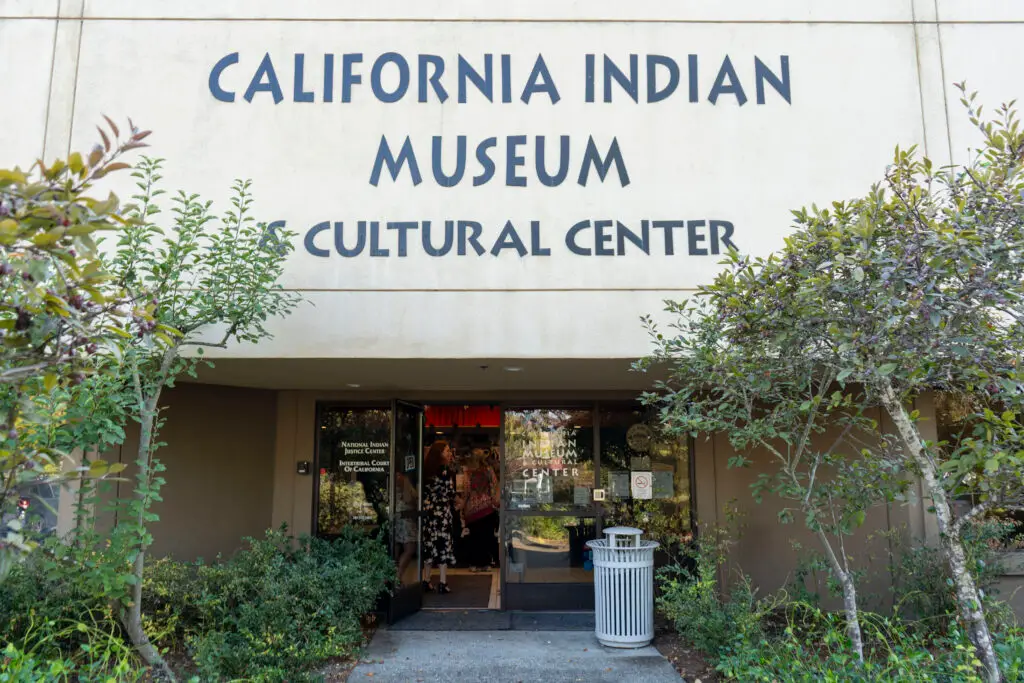
The first thing you see when you walk into the California Indian Museum & Cultural Center is a reminder of where you are.
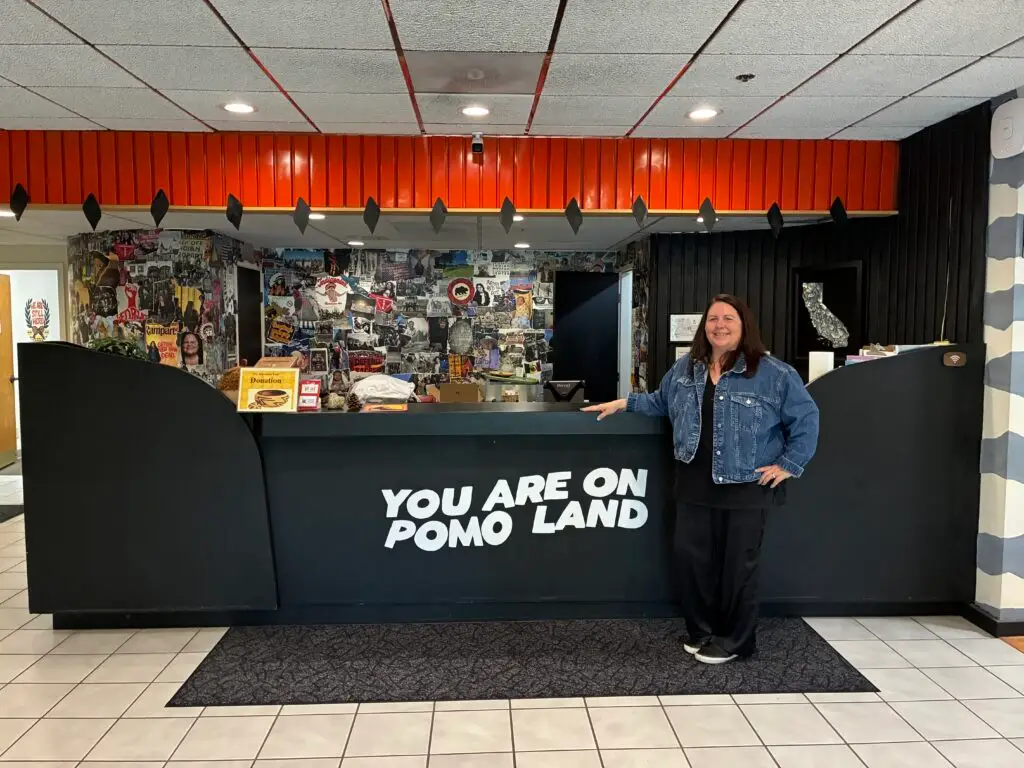
YOU’RE ON POMO LAND.
The words are painted across the front of the welcome desk inside CIMCC’s Santa Rosa home, a large but somewhat tucked-away building that I spent the afternoon exploring with Executive Director Nikki Lim.
There is a lot happening here, and even more to come.
We started in the museum, walking through exhibits that are currently open and others in the process of being rethought. One focuses on Ishi, whose story has so often been told through the institutions and anthropologists who encountered him rather than through an Indigenous lens.
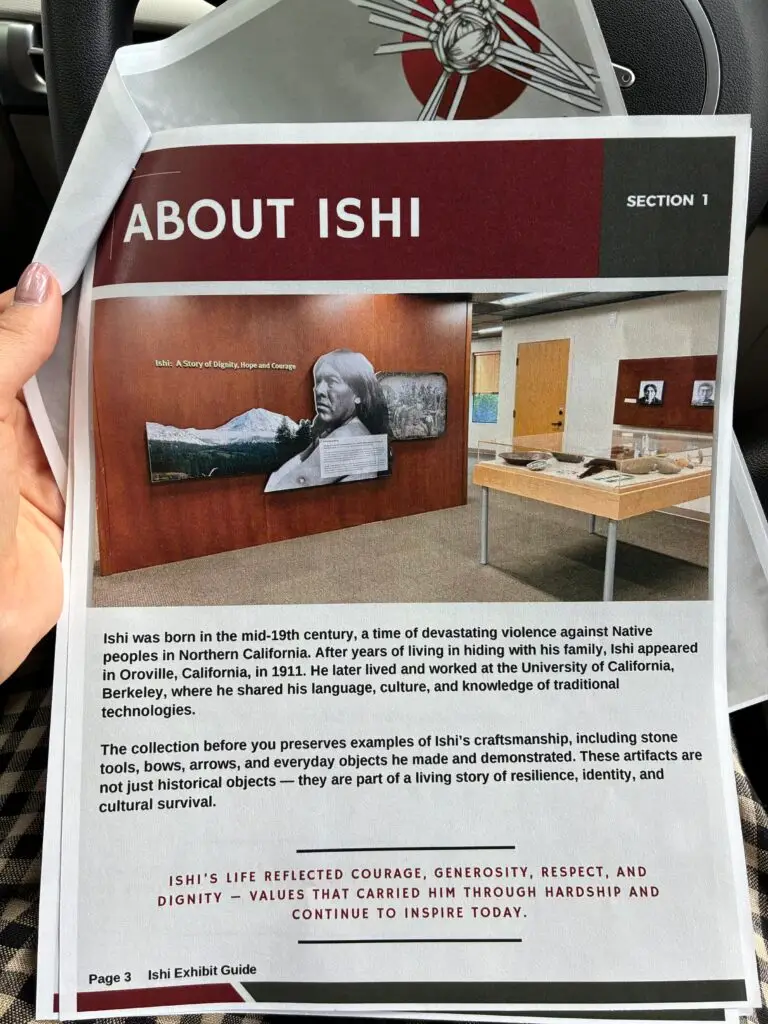
CIMCC is asking visitors to reconsider that story, including the idea of Ishi as the “last Indian” in California. Nikki talked about how convenient that narrative was: the idea that California Indians had disappeared rather than survived.
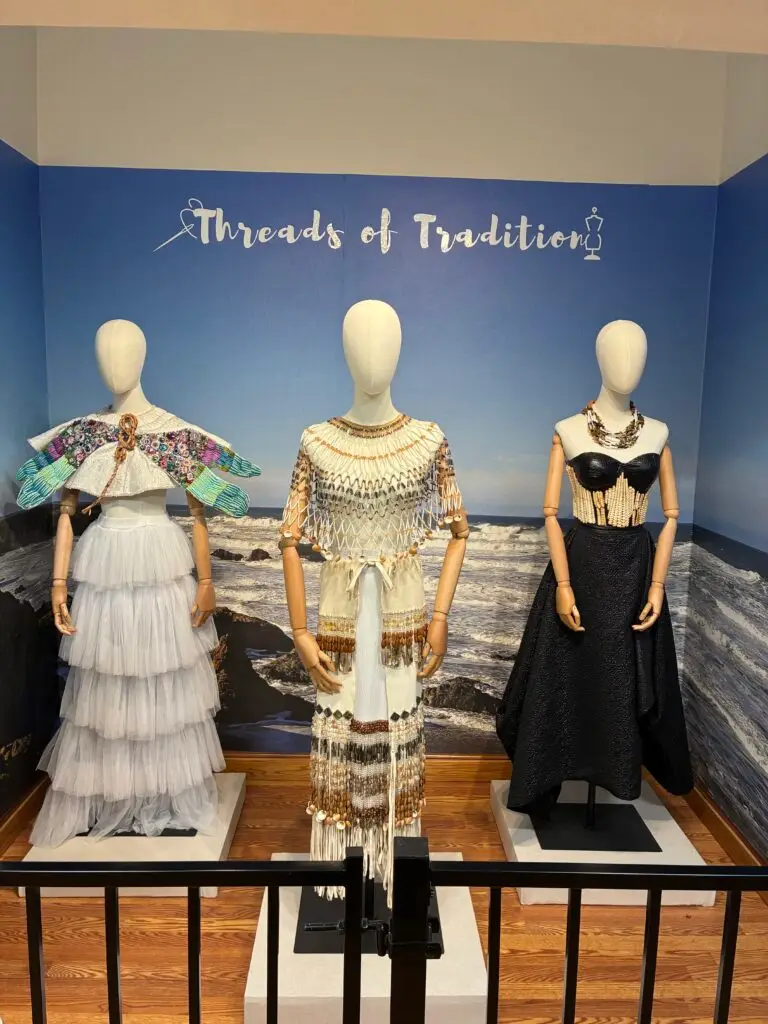
Nearby were two extraordinary dresses that stopped me in my tracks, and throughout the museum there was a sense that these weren’t simply exhibits about California Indian history, but they were part of an ongoing conversation about who gets to tell that history, and how.
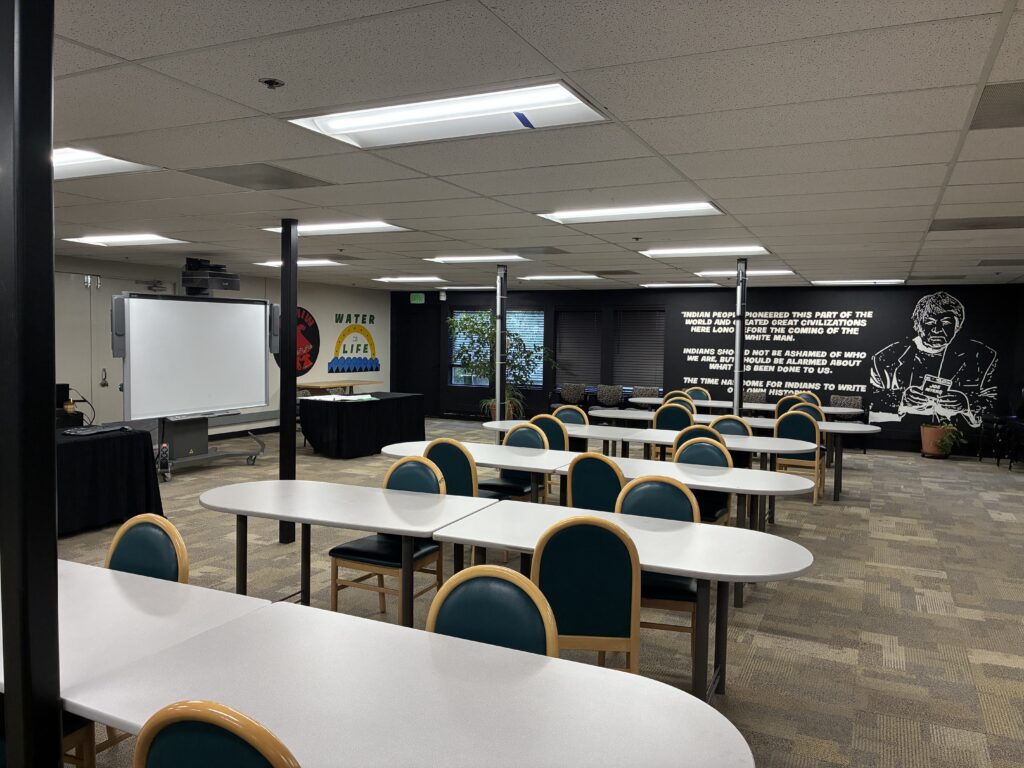
From there, we entered a huge community room, which began to reveal another side of CIMCC. This is where people come together for community gatherings and feasts. Nikki told me that CIMCC serves people from as far as two hours away, including Indigenous families traveling down from Lake County, where I had been visiting the Clear Lake Tribes the day before.
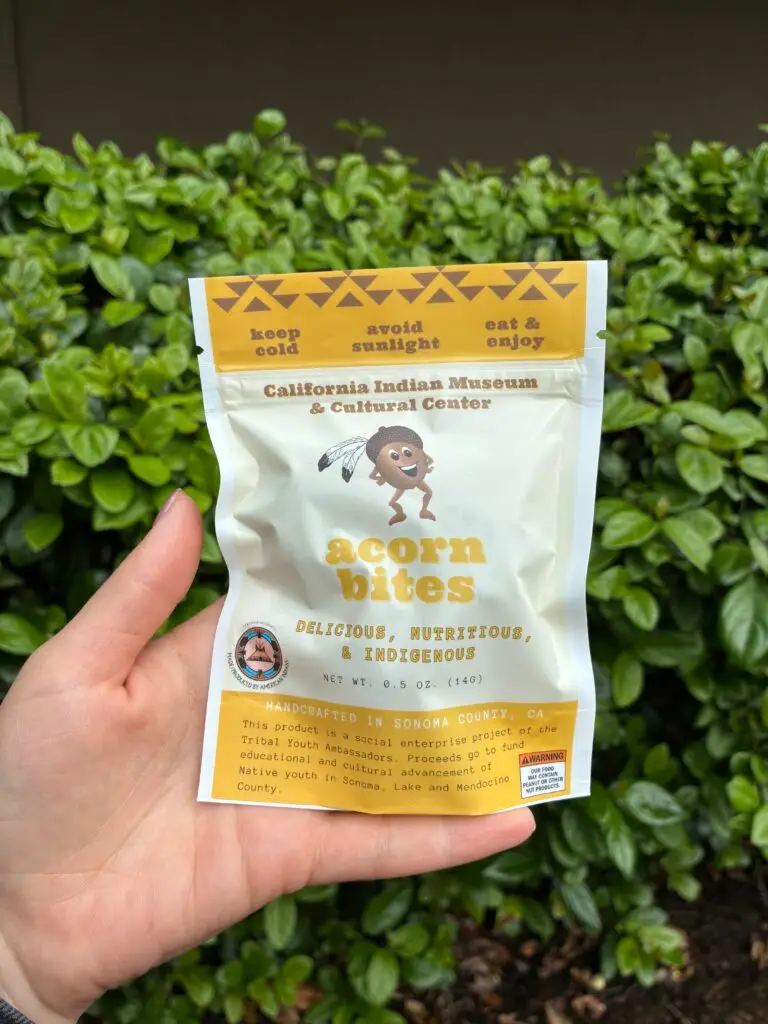
It’s also where acorns are processed and turned into food. CIMCC has been developing an extensive acorn program, exploring both traditional knowledge and contemporary research around processing one of California’s most important Indigenous foods. Community members gather here to process acorns together, some of which become small packaged Acorn Bites (which were delicious!).
The process itself is part of the research. CIMCC is working with a scientist to better understand how different methods of processing, including exposure to oxygen, may affect the nutritional value of acorns. The goal is twofold: to find an efficient way to make a product, and to make sure that new methods don’t diminish what makes the food valuable in the first place.
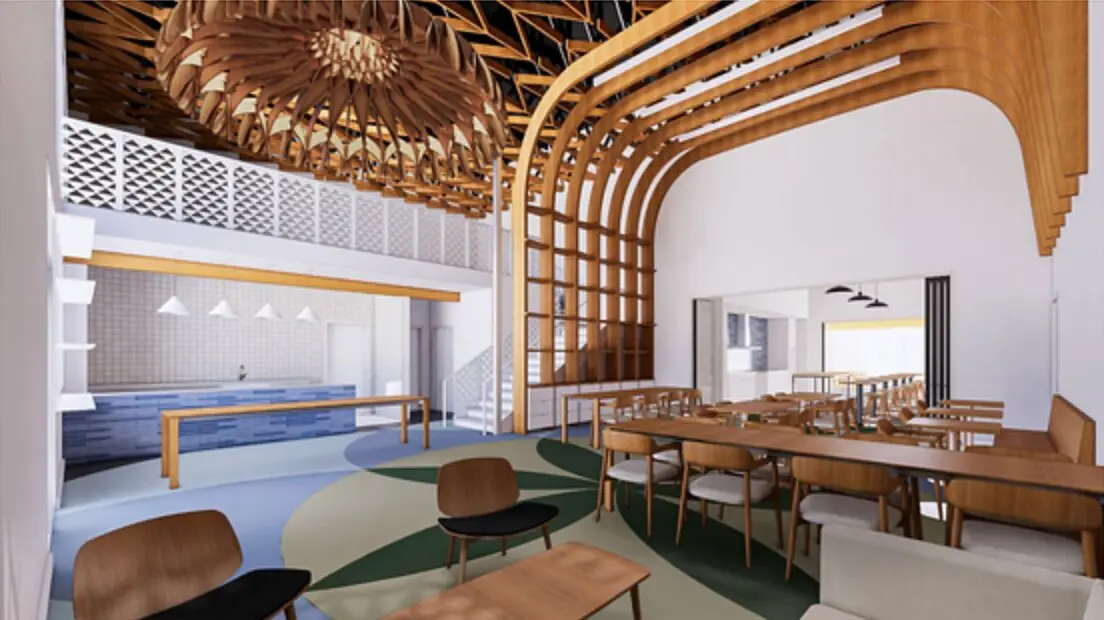
Then, Nikki opened the doors to the room behind us: It is roughly 5,000 square feet and, for now, mostly storage. The vision is to transform the space so that work now happening elsewhere in the building can grow, including bringing in industrial dehydrators for the acorn program. Outside are a few raised garden beds which CIMCC hopes to expand, creating more space for growing food, teaching programs, and hosting community gatherings.
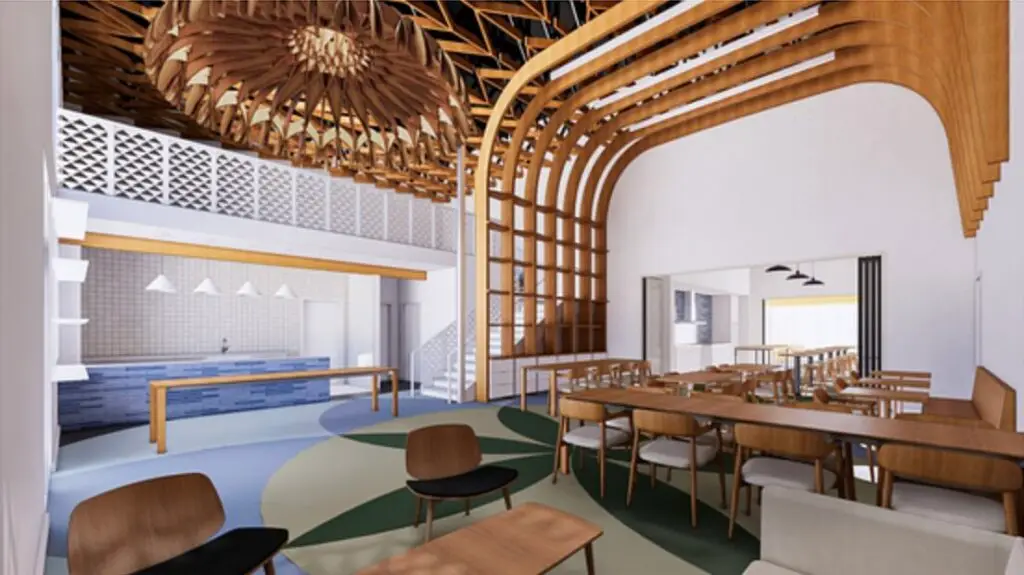
What struck me was how much of the visit was about this relationship between what already exists and what could exist. That applies to the building, but it also applies to the knowledge being held here.
CIMCC’s work with acorns is one example. They currently source much of their supply through MOUs and relationships with individuals and communities who have access to oak trees. It immediately made me think of Native Roots Network and TERA, two other organizations I’ve visited that are doing their own work around acorns, oak woodlands, and Indigenous foodways. We talked about whether there might be connections to make between them.
And then, there are the bears.
For the past five years, CIMCC’s Being with Bears program has brought Native youth together with Tribal Culture Bearers and wildlife experts to explore something much bigger than bear conservation. The program looks at the long relationship between Native people and bears in California, while getting young people outside to learn about black bear habitat, ecological stewardship, cultural arts, and even the overlap between traditional Native foods and the foods bears depend upon.
The program grew partly out of an earlier exhibit about the California grizzly, which was hunted to extinction in the state a century ago. Nikki has spoken about the parallels Native youth saw between that history and their own: what happens when a species, a people, or a culture is treated as something that can simply be removed from a landscape.
But Being with Bears is also very much about the present. Youth have learned how to help humans and bears coexist, including creating educational materials about keeping bears away from garbage and other attractants that can ultimately lead to animals being killed. They have explored the importance of healthy riparian corridors that give bears room to move without pushing them onto roads or into neighborhoods.
That work has now made its way into classrooms, too. CIMCC helped develop a nine-lesson elementary curriculum about California grizzlies that brings Indigenous knowledge together with history, ecology, science, and the possibility of grizzly reintroduction. The lessons move from the extinction of the California grizzly to traditional relationships with bears, Maidu Bear Dances, land stewardship, and ideas of respect, reciprocity, and reverence.
Much of CIMCC seems to be about history being used not simply to understand what was lost, but to think about how relationships can be restored.
CIMCC is certainly preserving and retelling California Indian history. But people are also gathering here. Young people are learning here. Acorns are being processed. Foodways are being researched and practiced. Relationships with the land, with bears and with one another are being strengthened.
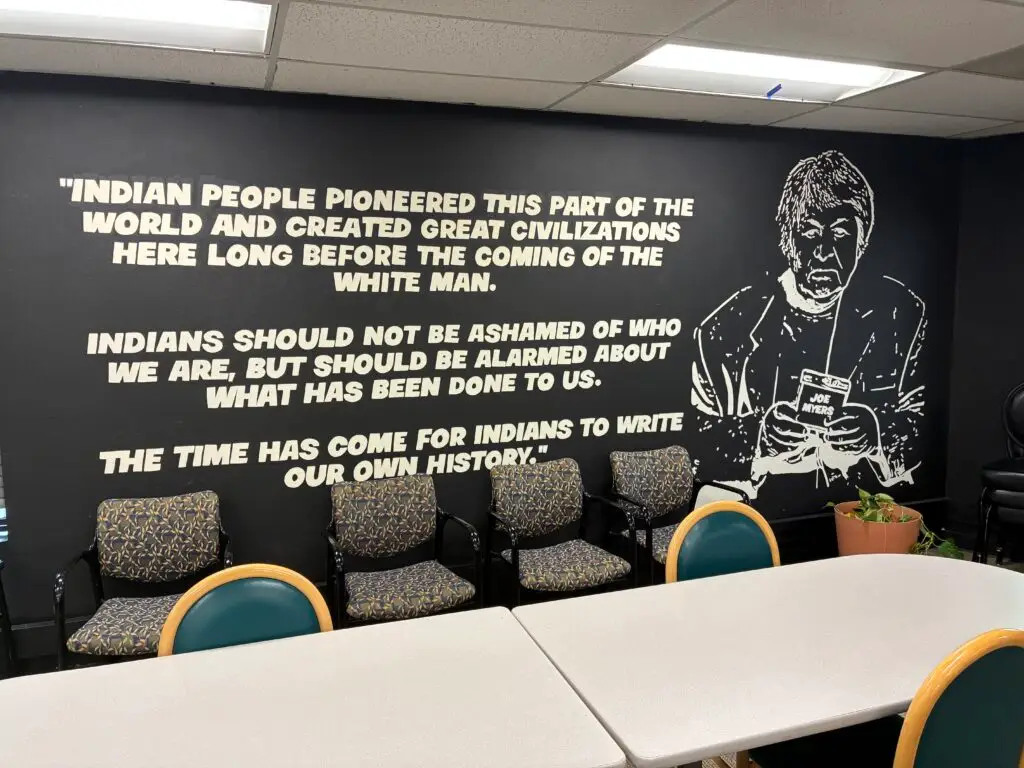
CIMCC’s tagline is “weaving Native culture into the future,” and I felt that walking through the building. The threads are everywhere. Instead of keeping Native culture safely preserved in the past, it’s about giving it more room to live, grow, and shape what comes next, and asking the question: What can we build from what has always been here?